


Taking a flight to France for faster ER treatment
Waiting times are so long in some Quebec emergency rooms that it’s sometimes faster to fly to France for treatment! The bureaucratic status quo is no longer working, and action is urgently needed.

The capital gains tax hike will hurt the middle class
The Trudeau government insists the capital gains tax hike will only hit 0.13% of Canadians. In reality, it will impact many people selling lifetime assets for retirement, like a plex. This isn’t just about the ultra-rich; it’s a tax on hard-earned retirements.

Canadians are not satisfied with their health care system
Canadians are not satisfied with their health care system Whether it’s the lack of family doctors, the long emergency room waits, or the months spent waiting for minor surgery, all of these symptoms indicate that things have to change.

Capital Gains Tax Hike Will Further Undermine Canadian Productivity
The Trudeau government’s decision to raise Canadians’ capital gains tax bill threatens to exacerbate Canada’s productivity crisis, discouraging investment and stifling the potential of our skilled workforce.

ER Wait Times: Quebec Patients Must Be Patient Indeed
Quebec patients really do have to be patient. In the Anna-Laberge hospital’s emergency room, a typical visit lasted 13 hours and 4 minutes last year. It would be quicker to hop on a flight to Paris and get treated at the hospital closest to the airport.
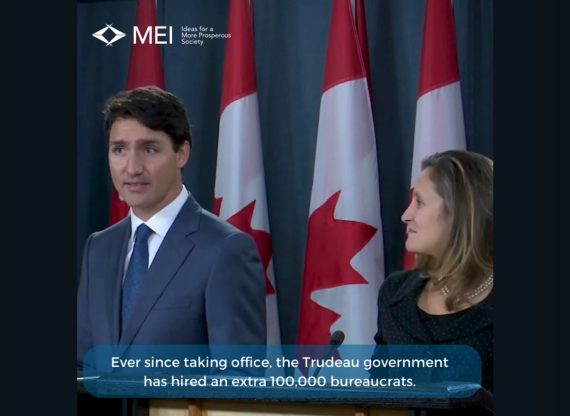
The federal bureaucracy is out of control under the Trudeau government
Since the Trudeau government took office in 2015, the number of federal public servants has increased by 38%, or 100,000 employees. Supporting a bureaucracy the size of Markham costs Canadians $60B a year. The time has come for Ottawa’s hiring spree to end.
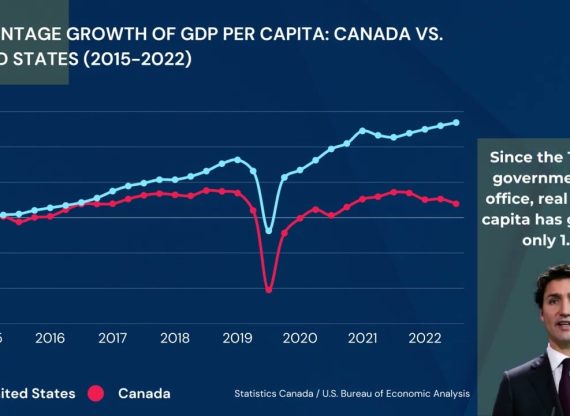
Our economy is stagnating
In 2015, the Trudeau government was elected on the bold promise of rejuvenating Canada’s economy. Yet, eight years later, our economy is stagnating, negatively impacting the living standards of Canadians from coast to coast.

Operation Elephants
Oh no! The Kingdom of Boku is in trouble. Giant boulders have blocked the stream from the mountain, and the river is close to drying up. Discover how three inventive children team up to save the Kingdom!
Income tax increases lead to a reduction in entrepreneurship
Instead of giving billions of dollars in subsidies to just a few companies, our governments should reduce taxes across the board to encourage entrepreneurship.
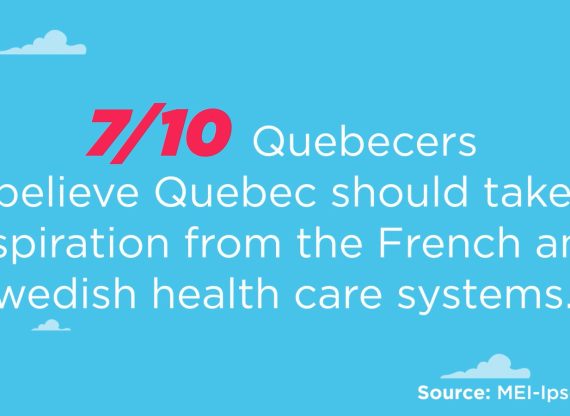
Health Care in Canada 2023
Our health care system is costly and inefficient, with long waits and backlogs. Mixed models like France’s and Sweden’s, which integrate private facilities within a universal system, deliver better outcomes and would allow more Quebecers to be treated faster.