

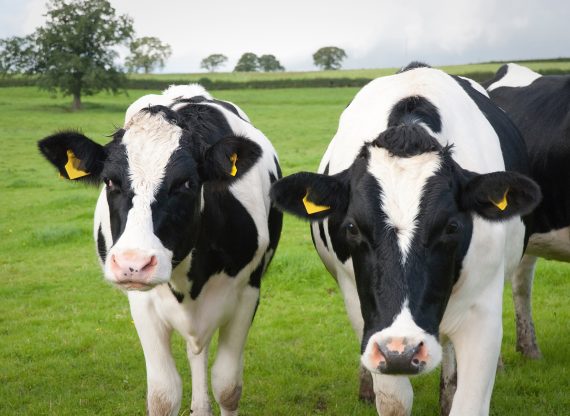
IEDM – Gestion de l’offre: les Canadiens en souffrent énormément – Vincent Geloso
July 26, 2023 | 7 min. 44 sec. | Alexandre Dubé (QUB Radio) Interview (in French) with Vincent Geloso, Senior Economist at […]
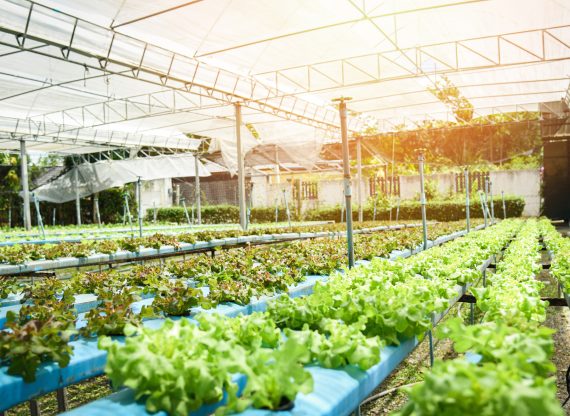
IEDM – Québec dépense 175 millions pour l’autonomie alimentaire – Daniel Dufort
June 20, 2023 | 9 min. 38 sec. | Alexandre Dubé (QUB Radio) Interview (in French) with Daniel Dufort, President and CEO […]

2-minute read
30,000 Litres of Milk Wasted Because of Government Policy
30,000 litres. That’s how much milk one Ontario farmer allegedly had to dump because he produced more than his government-sanctioned quota allowed him last month.
2-minute read
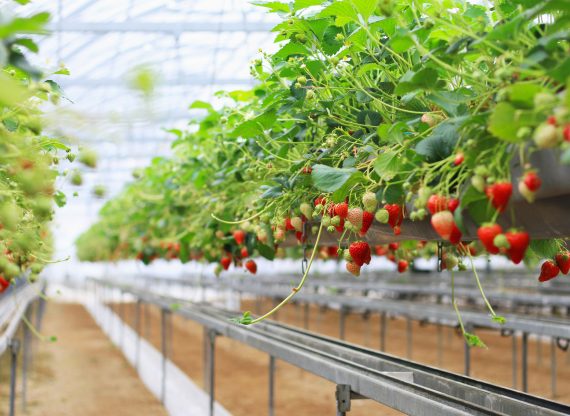
Strawberries in January
According to the provincial government, Quebecers need to show a little restraint in their energy use, or else Hydro-Québec will soon be unable to keep up with demand.

2-minute read
Inflation: Blame the Bank of Canada, and Supply Managed Industries
The official figures are out, but you probably already felt it in your wallet. The growth of the Consumer Price Index remained steady at 6.9% in October.

2-minute read
Supply management and economics 101
Supply management is an artificial control of the dairy supply through quotas and controlling imports “as a means of setting stable prices for both farmers and consumers.”
4-minute read
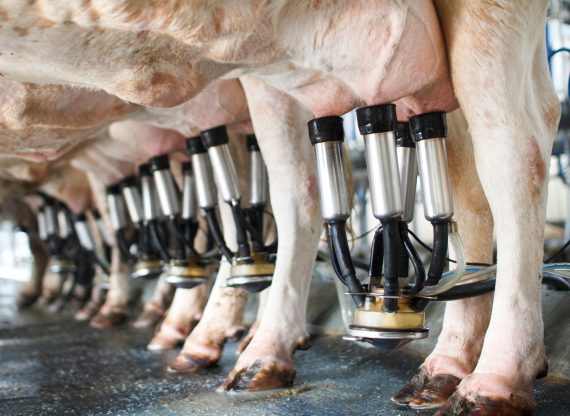
It’s time for Canada’s protectionist barriers to fall
Moving to a free market for currently supply-managed goods would reduce Canadian grocery bills, offer more choices to consumers, and improve trade relations.

2-minute read
Organic food during a famine?
Two thirds of Canadians bought organic groceries on a weekly basis in 2020, but with the rising cost of food, families are having to make tough decisions at the cash register.

4-minute read
S’affranchir du modèle seigneurial
La CAQ compte faciliter l’agriculture à petite échelle et l’émergence des nouveaux modèles d’affaires dans ce secteur habituellement plus traditionnel.
2-minute read
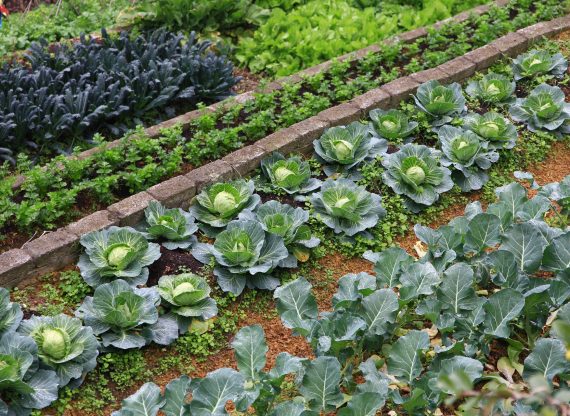
Allowing New Agricultural Models to Emerge
The rising prices of agricultural lands and the difficulties these pose to the next generation of farmers are a recurring topic in Quebec news media. Taking note of the situation, the Quebec government has tabled Bill 103.